Week of December 1 through December 6
Something to think about this week: Times when wise instructions saved your life or kept you from harm?
Daily Bible Readings
Mon. – 2 Kings 22:1-10 – God’s Word Reclaimed.
Tue. – 2 Kings 22:11-20 – God’s Word Leads to Repentance.
Wed. – Luke 24:25-32 – God’s Word Touches the Heart.
Thu. – Nehemiah 8:1-8 – God’s Word Interpreted.
Fri. – John 5:37-47 – God’s Word Testifies of Jesus.
Sat. – John 17:14-19 – God’s Word Is Truth.
Next Week: Psalm 19:7-13; 2 Timothy 3:14-17

Airplane Safety Instructions
A business man has to go overseas on a business related trip so he has to take a plane for the first time in his life. He goes through the whole process, boards the plane and finds his seat. The safety instructions begin and the flight attendant explains “If any of the engines fail, do not worry we have an extra engine that can compensate.” The man asks “But what if that engine fails too?” The flight attendant replies “We should be able to continue the flight to the closest airport.” “But what if we are above the ocean?” the man asks. “Then an emergency landing may occur and life jackets will be given to every passenger and crew member.” “But what if there are sharks?” he continues. “Then there is a bottle of shark repellent under each seat” “Oh, so then they wont eat us?” the man said with excitement. The flight attendant being annoyed with the constant interruptions replied “No, they will still eat us but we will taste disgusting.”

I realized I needed to do some research, and the sooner the better. The next day, I took out the huge manual to try to educate myself. Somewhere inside was all the relevant information I needed, if I was willing to spend time wading through to find what I needed.
You probably think I’m going to say that God’s Word is like an instruction manual; but I have to confess, that wouldn’t encourage me to want to read it! Scripture is far more personal and engaging than a mere instruction manual. It contains the words of life and the story of God’s working in the world. It’s rich and complex, able to show us something new every time we read.
Psalm 119:105 says, “Your word is a lamp for my feet, a light on my path.” God’s words are trustworthy, but we need to apply ourselves to their study. It is wonderful to be an independent reader of Scripture, but it’s even better to share with a community of Christ’s followers those who have been reading faithfully themselves. When we apply what we learn, we can traverse the highway of life with wisdom, just as God intends.
Lesson 01 – December 7 – God’s Word
How can studying Scripture or meditating on God’s Word feel like an obstacle?
Sometimes, we can struggle to see God’s law as something that will bring light and joy to our lives. Maybe the act of studying Scripture seems like it’ll take too much time out of the day, or obeying a specific instruction will prevent us from living in a way that seems fulfilling.
How can you be reminded that God’s word to you is life-giving?
Spending time with God does not have to mean sitting still in a chair (although solitude and private study are certainly rewarding). We might engage with God through prayer walks, time spent in creation, and in joyful study of the Bible in community.
How does following God’s instruction remind you of God’s goodness?
When we follow God’s instruction, we’re living in the very manner that God intends for us. By putting to death our sinful ways, we find that we become more fully ourselves people who are created in God’s image, designed to be in relationship with God and with one another. The powers of evil try to discourage us with the false idea that “a good life” is life centered on ourselves. Instead, the most satisfying life is found by following the Creator—source of all wisdom, creativity, and joy.

In the midst of everything going on this time of year, we tend to focus on family gatherings and seasonal responsibilities. Let this week’s lesson stand as an invitation to carve out time with God—to remember the gift of God’s presence with us. This is just reality: the busier we become, the more desperately we need time with God.
God, We are reminded of Your presence with us and desire to spend time with us. You are with us when we gather to pray, when we study Your Word, and when we serve friends and neighbors. Send us peace in this season of hurry. We ask You to meet us in our lives as we create space. We pray in Jesus’ name. Amen.
Week of November 24 through November 29
Something to think about this week: Ezekiel uses water as an image of life. Can you think of any other verses about streams of water?
Daily Bible Readings
Mon. – Ezekiel 37:1-7 – God Breathes New Life.
Tue. – Ezekiel 37:8-14 – A Resurrection of Hope.
Wed. – Isaiah 55:1-9 – The Thirsty Will Be Refreshed.
Thu. – John 7:2-10, 37-39 – Rivers of Living Water.
Fri. – Revelation 21:1-7 – Hope for God’s New Creation.
Sat. – Revelation 22:1-5 – The Tree of Life.
Next Week: Ezekiel 47:1-9,12
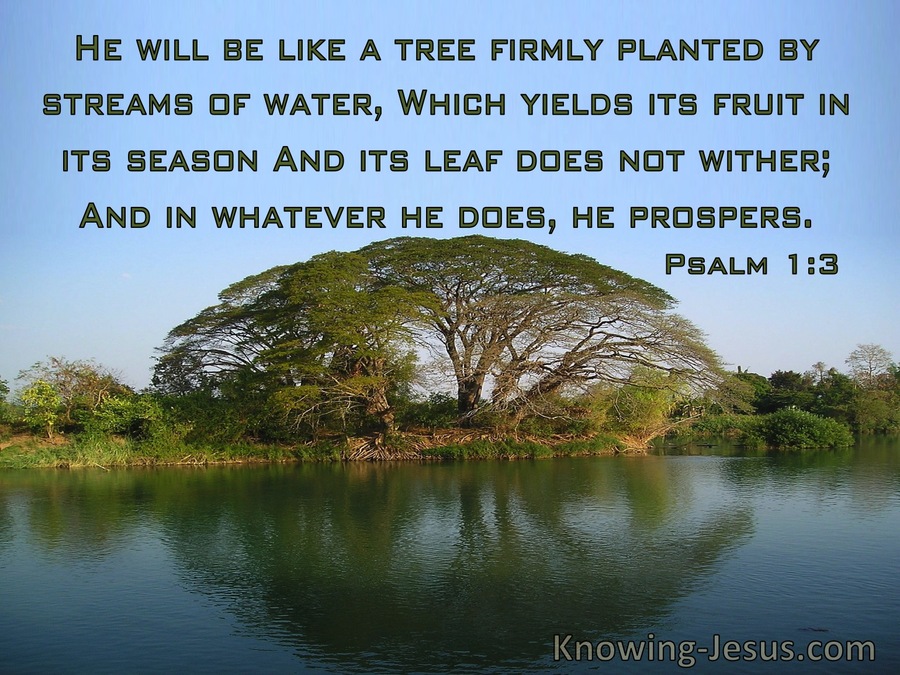
Have you noticed any connections to Revelation in Ezekiel? In Revelation, John draws heavily from this text: “On each side of the river stood the tree of life, bearing twelve crops of fruit, yielding its fruit every month. And the leaves of the tree are for the healing of the nations” (Rev. 22:2). Both visioners see life-giving trees, monthly fruit, and healing leaves. These finite images reveal the infinite goodness of God’s “kingdom come.”
Lesson 13 – November 30 – Ezekiel’s Vision
Waters of Healing, for and from God’s People
The New Testament often picks up the imagery of flowing water as a way of expressing a fundamental truth about Christian faith: abundant life streams from the presence of God. For instance, in John 7:38-39, Jesus connects this flowing water with the life-giving power of the Holy Spirit. Later in John 19:33-34, the blood of Jesus flows together with water from Jesus’ side when He is pierced by a soldier’s spear. When Jesus allows Himself to be poured out, the mercy and power of God’s Spirit flows freely into the world.
We know from 1 Corinthians 16:9 that the bodies of God’s people are “temples of the Holy Spirit.” Through His grace and forgiveness, God sanctifies those in Christ as His dwelling place. And yet, if we truly wish to be like Christ, we cannot simply rest on our laurels and keep the gift to ourselves. Like Jesus, we must allow ourselves to be given for others, so that the love of God’s Spirit might flow freely into the lives of those around us. This is how the world is changed: by God’s holy people offering themselves in love, for the sake of the world. It is this openness that allows us to become temples, the sources of an ever-flowing river of God’s mercy.
But that can feel costly! It can require us to give up our time and energy, to let go of trying to control the situation, and to trust Him to meet us on the way. Jesus shows us that, to be a channel of His peace, means entrusting ourselves to God. When we do, we find that our lives (miraculously) remain filled to the brim, overwhelmed with the life-giving grace of the Holy Spirit. Let us become these temples of God’s presence, so that the life of God can abide in us and so that others can be nourished and restored.
God, We are Your people, desiring to be filled each day with Your presence. Even as we drink the water that sustains our physical life, we ask You to sustain us with living water that springs up within us. Help us to live in light of Your new creation as we await the future that is secure in Your hands. We ask You to renew us in Jesus’ holy name. Amen.
Week of November 17 through November 22
Something to think about this week: What is something that you watch for?
Daily Bible Readings
Mon. – 1 Peter 4:1-11 – Love Others Despite Suffering.
Tue. – 1 Peter 4:12-19 – Rejoice to Share Christ’s Sufferings.
Wed. – Ezekiel 18:1-9 – Each Will Answer for His or Her Sin.
Thu. – Psalm 38:1-2,10-22-1 – Confess My Iniquity.
Fri. – Galatians 6:1-10 – Restore One Another in Gentleness.
Sat. – Matthew 7:1-6 – See to Your Own Sins First.
Next Week: Ezekiel 33:7-16a

As my head hit the cushion, I heard the sound again. This time, I couldn’t convince myself that I was imagining it. But it was just one beep. That couldn’t mean anything urgent, could it? I let myself drift off to sleep.
Beep. There it was again! Annoyed and really wanting sleep, I went to investigate. I could tell that it was coming from our carbon monoxide detector. This wasn’t the first time it had alerted, but it always turned out to be a false alarm. Beep. It was more frequent than ever.
I called my husband and told him about the beeping sound. He said, “It could be nothing, but you heard it more than once?”
“Yes, and I thought I was imagining it at first. You remember it has done this before,” I reminded him.
“I think you and Davey should get out of the house. I want you to be safe,” he told me. I reluctantly did as he asked and called emergency services to help me investigate a carbon monoxide alarm.
When they arrived to check it out, I’m still haunted by what I heard: “Had you stayed in the house ten minutes longer, this would have had a different outcome,” they told me.
Lesson 12 – November 23 – Ezekial’s Responsibility
The chapter of Ezekiel 33 condenses and explains aspects of the message found several chapters earlier in Ezekiel 18 (also mentioned in Lesson 8 of this quarter). An issue that is relevant to those living in exile and those remaining back in Judah is, Who is responsible for this mess? In many ways, God gives similar messages to each group, showing that He notices righteous living and will be merciful to individuals who uphold His commands.
Lament and sorrow are part of Ezekiel’s message, as discussed in last week’s lesson. But how does God decide whether to hold the individual or the community responsible? What is fair? This lesson will help to answer those questions by showing that each person is responsible for their own actions. In a time when so many were suffering, it was important for Ezekiel to show that God’s justice is equitable and that God remains willing to receive the repentance of any who turn to Him.
In our workplace, our church denomination, or our family lives, God can send messengers to warn that past behavior does not predict future success. Looking around the Christian world, many churches and denominations have suffered when they tolerated unfaithfulness.
In the end, it is not an evaluation of our behavior that counts before the king. God isn’t like a rigorous teacher who is willing to grade on a curve. God offers Himself, in the person of Jesus, and God accepts those who place their faith in Him. God offers life, and “the righteous will live by faith” (Rom. 1:17; Gal. 3:11; compare Hab. 2:4).
Ezekiel’s message was about life and death in exile, especially in the physical sense. But in the new covenant context, the life that God offers is eternal life, which is the salvation that comes by faith in the Son of God.
Father, We are imperfect and reluctant messengers, just like Your prophets of old. Help us to exercise influence in the places that You send us. Give us the right words to share the gospel—perhaps even to share words of warning. Help us to stay awake and watchful, not only for danger, but to glimpse the glory of Your kingdom, which we know is coming. In the name of Christ, our king, we pray. Amen.
Week of November 10 through November 15
Something to think about this week: Can you name an time that God turned your grief into joy?
Daily Bible Readings
Mon. – 1 Peter 3:8-17 – With Righteousness Comes Suffering.
Tue. – 1 Peter 3:18-22 – Christ Exalted through Suffering.
Wed. – Psalm 34:6-19 – God Rescues Us from Our Afflictions.
Thu. – Matthew 5:3-12 – Comfort for the Brokenhearted.
Fri. – Ezekiel 3:4-11 – Speak If People Listen or Not.
Sat. – 2 Thessalonians 1:1-4 – Steadfastness and Faith amid Persecution.
Next Week: Ezekiel 3:10-11; 24:15-24, 27

On one occasion, a chaplain got a message that his own father had passed away. Before he could act on his own behalf, two other messages came in for other crew members. As their pastor, he had to set aside his feelings to deal with their shock and numbness and to make their travel arrangements. No one suspected that he was struggling to set aside his own grief to do the job of caring for others. He made the quick trip home, but it wasn’t until a few years later—when life had slowed down—that he began to grieve his father’s death.
Maybe you have had your own experience of bearing the burdens of others while delaying your own grief. Often leaders appear unapproachable only because they try not let their emotions get in the way of their duties. As we discuss the pain and grief that came to Ezekiel, do not forget to take time before God to process your own experiences of grief.
How do you suppose Ezekiel felt to hear that his homeland would be destroyed, know that it had been preventable, and to feel unable to do anything to stop it?
Lesson 11 – November 16 – Ezekiel’s Sign
The priest-turned-prophet Ezekiel, son of Buzi, prophesies at the beginning of the Babylonian exile. An important thing to know is that the exile takes place in stages. In 597 BC, Nebuchadnezzar lays siege to Jerusalem, captures King Jehoiachin, and installs Zedekiah in his place. Nebuchadnezzar deports the royalty, artisans, and fighting men of Jerusalem to Babylonia, leaving the rest behind (2 Kings 24:10-17). Ezekiel is in this first wave of the exile, and he receives his prophetic call by the Chebar, a river in regions controlled by Babylon (Ezek.1:1-3). For the context of today’s lesson, Ezekiel is told to use a dramatic sign to warn that punishment is not over, that those left behind in Judah will also face exile.
What is the meaning applied to the death of Ezekiel’s wife?
It signifies the coming loss of what the exiles love and their greatest hopes: the temple in Jerusalem and their sons and daughters.
After witnessing Ezekiel’s astonishing behavior—his reserved attitude toward his wife’s death—the people say, “Tell us what these things have to do with us” (v. 19). The sign act has done its job, opening up the people to hear a message. The strangeness of Ezekiel’s past behavior and history of enacting signs make them suspect that there is a message behind Ezekiel’s composure.
In verse 24, God says Ezekiel’s lack of mourning is a sign to the people. Prophets can perform strange acts that illustrate God’s message.
In Ezekiel 4:9-17, Ezekiel rations his food and cooks it over excrement as a sign of the coming siege of Jerusalem (which forces residents to eat unclean food). This pattern helps Ezekiel’s audience to anticipate a message behind the strange things that he does.
Why does God send the exiles a message about mourning? How does this connect to what they shall do?
The exiles must prepare themselves to receive news of Jerusalem’s capture and the temple’s destruction. In Babylon, this news will be cheered and lauded as a great victory. But for these exiles, it will seem like the loss of their greatest hopes. They need to know that God has permitted His temple’s destruction, as a consequence for Judah’s unfaithfulness.
Grieved for What Grieves God
Unlike the people in today’s lesson, we are free to grieve. We do not have to hide our dismay at things that are out of step with God’s design. Has God been showing you any particular injustice or need in the world? Or has your heart been grieved by something you have done?
Christ Jesus, We are astonished to serve a God who blesses those who mourn. All around, we see evidence that the world is turning itself into knots instead of turning to You as king. For failing to love our neighbors as ourselves, for failing to serve You with whole hearts, we repent. Align our hearts with Yours. Amen.
Week of November 3 through November 8
Something to think about this week: If you spend any time reading the news, you’ll probably spot several examples of failed leadership.
Daily Bible Readings
Mon. – Luke 12:42-48 – The Master Is Coming Soon.
Tue. – Luke 12:49-53 – The Purifying Fire of Change.
Wed. – Lamentations 2:17-22 – The Lord’s Purifying Purpose.
Thu. – Lamentations 3:21-36 – Hope in the Lord.
Fri. – 1 Peter 1:1-12 – Faith Tested by Fire.
Sat. – 1 Peter 1:13-25 – Prepare for Action.
Next Week: 2 Kings 24:18-25:9
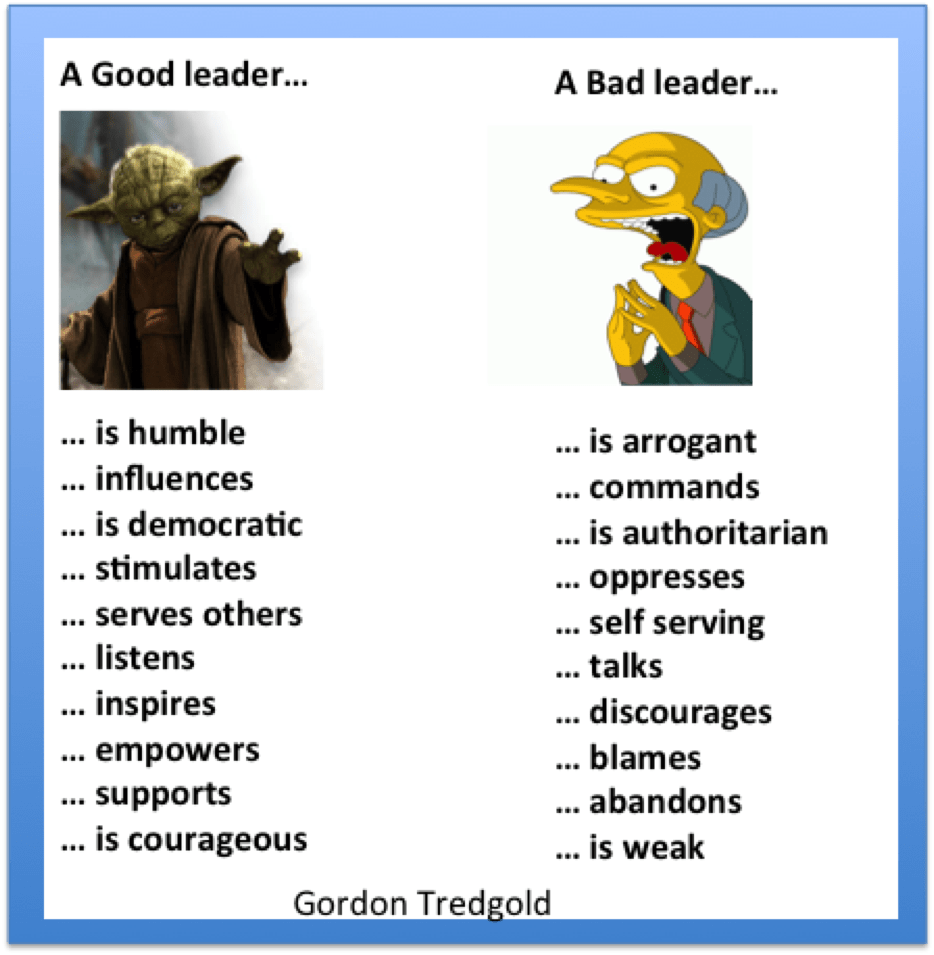
Leadership comes with its own set of temptations, like pride. Sometimes power or influence produces an inflated sense of entitlement or importance. Leaders may be tempted to leverage position for personal gain or self-gratification.
Why do the moral failures of leaders result in harm to those they lead?
Broken trust in a leader can become broken trust in a religious institution, organization, political movement, etc. The leader is often viewed as representing the values of the whole. Also, leaders may manipulate those around them or make haphazard decisions or engage in cover-ups.
How is Jesus different from other leaders?
Jesus is always faithful to those He loves. He always keeps His promises and works for the good of His followers. Jesus covers other people’s sin with His blood shed on the cross. Jesus is trustworthy, and His ways are right.
Lesson 10 – November 9 – Jerusalem’s Fall
Beginning with King David, a king from David’s line had ruled in Judah for more than four centuries. But by the time of the last king, Zedekiah, Jerusalem was well within the grip of Babylonian power. In fact, King Nebuchadnezzar of Babylon selected Zedekiah to be a puppet king of Judah after the previous king was taken captive to Babylon. But Zedekiah inflamed the anger of Babylon by turning to rebellion again.
Read 2 Kings 24:18-25:2, and note the following:
-Zedekiah is the last in a line of several kings, all who do not follow God.
-Zedekiah was made king when Babylon defeated and deported the last king, his nephew.
-Against the message of God, Zedekiah rebels against Babylon again.
-Babylon returns to make an example of this rebellion. The army lays siege to the city.
The Right and Wrong Kind of Leaders
It seems like everyone is looking for a savior—something or someone to make the world right. To lift up a neighborhood. To rescue the country. To drive back the darkness that fills the news. Longing for a better world is part of the human experience. But how do we get there?
One of the ways people try is by attaching their hopes to human leaders: business executives, public figures, politicians. They all get put on a pedestal from time to time, assigned savior status by their most ardent supporters. But human leaders often disappoint. The business executive commits fraud. The public figure cheats on his wife. The politician breaks her campaign promises. And the headlines are still full of darkness.
To make matters worse, people tend to reflect the character of whoever they’re following. After all, leaders lead, even if they’re heading in the wrong direction. The people of Judah followed kings like Zedekiah into detestable idolatry, which led to ruin. Today, businesspeople adopt the shady practices of their bosses, if it means advancement. Fans take up the values of their favorite cultural icon, if it means fitting in. And constituents follow the example of politicians who demean their dissenters. Sometimes, Christians stop loving their enemies. Surely that command can’t apply during an election season, can it?
When all that clamoring doesn’t result in a better world, what then? When Jerusalem lies in ruins, what follows?
What we need is a better king—a leader who is always trustworthy, always faithful, and always keeps His promises. A leader like that isn’t found on a ballot or list of influencers, but in the pages of Scripture. Jesus is that leader. He’s the rightful king who can make the world new. He’s the one whose message and example is worth following, because it leads us to the kingdom of God. Will we follow Jesus, or attach hope to someone else? Who will you choose today?
Jesus, All around us we hear the call of would-be leaders who are intent to make themselves the story. They all pale in comparison to You, for Your leadership was never about Your position. Even when we are confused by this world, help us to look to You as a king worth serving. May your kingdom come. Amen.
Week of October 27 through November 1
Something to think about this week: Can you find any hopeful stories of rescue in the news this week?
Daily Bible Readings
Mon. – Matthew 10:16-27 – Speak as the Spirit Leads.
Tue. – Matthew 10:28-42 – Do Not Fear Mortal Powers.
Wed. – Psalm 37:1-13 – Wait Patiently for the Lord.
Thu. – Psalm 37:25-28, 35-40 – God Never Forsakes the Righteous.
Fri. – Romans 12:12-21 – Overcome Evil with Good.
Sat. – Jer. 38:1-6 – Speak Even when the Message Stings.
Next Week: Jeremiah 38:7-13

Lesson 09 – November 2 – Jeremiah’s Rescue
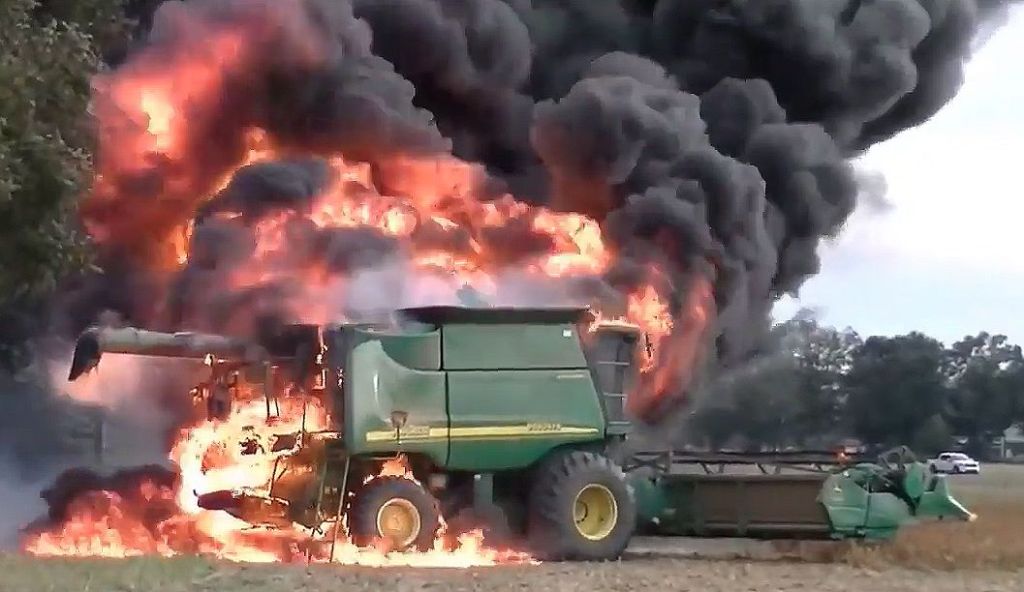
My friend told me a “God-story” about her church friend, a farmer. Let’s call him Mike. Mike loved God and served him, and he also worked hard at tilling the ground. Not long ago, he was out in the field with his big combine and accidentally hit an electric line overhead with his chute. The huge tires on the combine immediately exploded, and sparks were pinging all around him. He had seconds to make his next move: he dove out of the ten-foot-high machine. His phone flew out of his pocket as he jumped and immediately started smoking. The field started on fire. Miraculously, the man not only survived, but was not injured. Praise God, who rescued His servant from what looked like certain death.
Today, we will focus on God’s rescue of the prophet, Jeremiah, from a different kind of scare situation. Someone cared enough to report Jeremiah’s fate to the king. The king immediately commanded his men to rescue Jeremiah from the depths of a cistern, where wicked men had thrown him.
God uses whatever and whomever He wishes to rescue people. Your students might ask, “But what if God doesn’t rescue me?” We cannot comprehend God’s purposes, but we can trust Him because He has proven faithful. Psalm 61:2 is an appropriate prayer when things don’t make sense to us: “From the ends of the earth I call to you, I call as my heart grows faint; lead me to the rock that is higher than I.”
A Look Ahead
This is the final lesson that will focus on Jeremiah and his ministry to the people of Judah. Lesson 5 studied Jeremiah’s call and noted the fear and uncertainty that Jeremiah has when asked to be a prophet. This lesson shows the risks that he endures, including imprisonment and threats of death. From the beginning, God told Jeremiah to be strong and courageous, for God is able to allow him to complete his work. God gives hope for the future, even in the midst of utmost uncertainty. Next week we will discuss the fallout from Judah’s disobedience.
Father, We know that You are in control and are able to rescue us from physical danger. But even when we face danger and risks, help us to do this because we are looking out for the needs of others. Help us to spring into action when we see suffering and injustice. In Jesus’ name we pray. Amen.
Week of October 20 through October 25
Something to think about this week: What is an item in your life that you’ve updated recently?
Daily Bible Readings
Mon. – Joel 2:28-32 – A New Salvation.
Tue. – Ezekiel 36:25-35 – A New Heart.
Wed. – Deuteronomy 10:12-21 – The Law’s Essence.
Thu. – 2 Corinthians 3:1-6 – A New Covenant.
Fri. – 2 Corinthians 3:7-11 – A New Spirit.
Sat. – Jeremiah 31:27-34 – A New Relationship with God.
Next Week: Jeremiah 31:29-34; John 1:17

Lesson 08 – October 26 – Changes Promised
God, renew my mind and change my heart! I can’t guess how many times I’ve prayed that, but certainly more and more the older I’ve grown. When I was young, I thought I was a pretty good kid, a bona fide rule-follower and well-spoken church brat. I hadn’t done anything that made me feel ashamed. But time took care of that. People live and stumble, and sometimes they run headlong into sin. It took me longer than most to realize how short I fall from God’s glory, how easy it is for me to break my promises or shirk my responsibilities. Why is that?
What I really need is for God to change my heart and to make me faithful. I need His power and presence working in me and through me. But too often I’ve pushed that aside in favor of willpower: I just need to try harder, I tell myself. I just need to focus.
Sometimes it works, until I get tired or stressed. Maybe I see something that makes me angry, or life throws me a curveball. Then I discover that willpower and resilience run short. My patience sours; my kindness spoils; my self-control turns to mush. I notice that I start snapping at my kids, giving the cars in traffic a dirty look, or cutting corners at work. I step off the way of Jesus and onto the old slippery slope that brings me down.
But God’s faithfulness grows greater as I realize how unfaithful I can be. The power of the cross is greater than my sin. And as God draws me back, my prayer becomes, God, renew my mind and change my heart. And guess what? He actually has the power to do it!
A God of Renewal
Jeremiah teaches the people that a solution to the sin problem is not something they can manage alone. There are situations and patterns that only God can fix. Like the people of Judah, we can trust in a God who is capable of performing great miracles.

Jesus, We know that it is true: You have invited us to a new way of life with God. Where we feel helpless, overwhelm us with Your presence. Where we have sinned, please forgive us. Where we feel downcast, show us that You can overcome our sorrows. We ask You to transform us, to fulfill the promise to write Your instructions upon our hearts and to show us the way to go. You know the way. Amen.
Week of October 13 through October 18
Something to think about this week: The good that comes from following family traditions.
Daily Bible Readings
Mon. – Proverbs 23:29-35 – The Dangers of Strong Drink.
Tue. – Eccl. 9:4-10 – Keep Earthly Pleasures in Perspective.
Wed. – Ephesians 5:11-19 – Be Filled with the Spirit.
Thu. – Numbers 6:1-8 – The Nazirite Vow.
Fri. – 1 Thessalonians 4:1-7 – Called to Holiness.
Sat. – 1 Thessalonians 5:1-10 – Keep Awake!
Next Week: Jeremiah 35:5-11

Football wouldn’t be nearly as important if it weren’t anchored in a devotion to a team. What underlies any tradition is honor and community.
Sometimes our traditions conflict, and we must choose; our choice reveals what we honor most. I understand the temptation to honor football over God when I feel that itch to duck out of church in time for a noon kickoff. But even when there is no conflict, our adherence to traditions still reveals something: our capacity to honor. Even if I never choose watching football over going to church, God knows what gets me excited. He knows I am capable of honoring and desiring Him at least as much as I love my team.
Think about any traditions you are devoted to keeping (whether out of enjoyment or obligation). What do you tend to honor? What could this possibly say about your capacity to honor God and His ways?
Lesson 07 – October 19 – A Family’s Example
When I was young, my immediate family and all my relatives would celebrate Christmas at my mom’s home in Florida. There would be nearly thirty aunts and uncles, siblings, kids, and grand-kids squished together for the holiday. Then, on Christmas morning, we’d gather around the tree to open gifts one at a time—always starting with the eldest person, out of respect. We’d go in order of age until we reached the youngest. Even all these years later, the tradition stands. It looks different, with different family members and in a different home.
Our lives may be marked by constant change, but family traditions can be steady pillars. My family’s way of celebrating Christmas was a reminder that we honor our parents and elders. Each of us remembers taking a turn as the one who had to wait.
I don’t know if my parents intentionally used our Christmas tradition to teach me to honor elders. But the tradition did teach me. It became a product of shared values for our family culture.
Keeping honorable family traditions is good for us, perhaps even good in God’s eyes. However, keeping God’s commands is even more important. It would be disastrous to honor our elders but fail to abide by the words of our heavenly Father. We can follow traditions, honor our parents, and rehearse the values of our family. But above all, we follow God.
Click/Touch for Discussion Questions and Answers
Q1 What is one of your favorite family traditions?Many of us grow up celebrating important milestones and holidays with some kind of specific tradition. You may notice that many traditions are associated with meal times. That is no coincidence, since meals are an important community event.
Q2 What value did that tradition teach you?
Traditions can teach us to value certain things: diligence, patience, or quality time. Some traditions don’t have an obvious purpose, but they still form us into a closer community (a group that does something together).
Q3 What kind of good tradition do you want to start with your friends and family?
We probably don’t put enough thought into the formation of new traditions. Traditions can help us see the passage of time as we witness that some things change, while some never do. We should create God-honoring traditions to share with family.
Father in heaven, You are faithful; we struggle to be faithful. We confess that we may sometimes take ourselves and our traditions more seriously than our obedience to Your ways. Please help us to send the right message in all we do. Challenge us to finish well, in whatever lies before us. We are grateful for Your gift of redemption and that You continue to shape us into Jesus’ image. We pray in His name. Amen.
Week of October 6 through October 11
Something to think about this week: Jeremiah’s message and the compassion God shows for vulnerable people. Is your attention drawn to any group of vulnerable people this week?
Quiet Hour Daily Bible Readings
Mon. – Mark 13:1-13 – Endure to the End.
Tue. – Mark 13:14-27 – God Will Protect God’s People.
Wed. – 1 Samuel 15:20-26 – To Obey Is Better than Sacrifice.
Thu. – John 14:12-17 – Keep Christ’s Commandment.
Fri. – John 2:12-22 – An Indestructible Temple.
Sat. – Psalm 51:15-19 – The Sacrifice that Pleases God.
Next Week: Jeremiah 7:1-11, 21-23

My father was an amazing role model in living out the biblical standard to care for the marginalized: widows, orphans, and anyone oppressed. Each Christmas, he would invite someone who had no family or no money into our home, to join in the celebration. Once a month, he would deliver groceries to church families in need or to single mothers working multiple jobs. He knew that the life of faith can stretch us and lead us to take risks.
Lesson 06 – October 12 – Jeremiah’s Message
The world is dark. If you’re like me, you try to brighten your corner with the love and light of Jesus. Sometimes Christians get it wrong, and our light fades a bit. Perhaps we feel we can do outwardly performative things to please God: more church services, more volunteer hours, more support for mission work. But without the heart behind them, those are not what God requires.
In reality, we can all be hypocrites. We teach loving others, but do we always do that? We teach forgiving as Christ forgives, but do we? We pray for strength to obey, but we fail, and we don’t always practice what we preach. Each of us should be grateful for the blood of Jesus, which covers our deficiencies. God forgives when we ask, even when others might not.
God doesn’t ask us to do “religious things” or only to “keep the rules.” He requires us to love and obey and to show love for others. Jesus connects love to obedience when He says, “If you love me, keep my commands” (John 14:15). He also says, “If you had known what these words mean, ‘I desire mercy, not sacrifice,’ you would not have condemned the innocent” (Matt. 12:7). God doesn’t want us to simply follow rules, but to apply ourselves to show justice and mercy to those around us.
Father, We confess that we find all sorts of ways to neglect what is important. We want to feel safe and secure, when we should know that security comes by making ourselves Your humble servants. Give us Your eyes that we might show mercy, as we have been shown mercy. Fill us with Your light until there is no room for any darkness. We pray in Christ’s name. Amen.
Week of September 29 through October 4
Something to think about this week: Has anyone very young ever shown you an important truth about God?
Quiet Hour Daily Bible Readings
Mon. – 2 Chronicles 34:1-7 – Passion for God’s Law.
Tue. – Hebrews 4:12-16 – The Piercing Word of God.
Wed. – Jeremiah 3:12-19 – Return to the Father.
Thu. – Jeremiah 4:5-14 – Cleanse Yourselves and Be Saved.
Fri. – Hebrews 12:3-17–God’s Discipline Proves God’s Love.
Sat. – Hebrews 12:18-29 – God Is a Consuming Fire.
Next Week: Jeremiah 1:6-10; 26:8-9,12-15

Sometimes adults can automatically assume that they know much more than a young person, but we can learn much as we observe the childlike faith of kids and teens. Matthew 18:3-4 instructs us: “Truly I tell you, unless you change and become like little children, you will never enter the kingdom of heaven. Therefore, whoever takes the lowly position of this child is the greatest in the kingdom of heaven.”
God has a high opinion of children and youth. Scripture tells us that God used Samuel, David, Jeremiah, Daniel, and even the young mother of Jesus to fulfill His purposes all long before we would call any of them full-grown adults. Just because a young person seems inexperienced and unqualified in our eyes doesn’t mean God won’t use them for great things.
It’s actually amazing and encouraging to see God do that. Perhaps this week you can look for God at work in a young person’s life. Or perhaps the person who feels inexperienced is you! In that case, this is an opportunity to rely on God to carry you.
Lesson 05 – October 5 – Jeremiah’s Call and Arrest
Jeremiah lived during a tumultuous time: before, during, and after Judah’s defeat by the Babylonians and the destruction of the temple. About a century earlier, in 722 BC, the Assyrians took the northern kingdom of Israel into exile as a consequence for disobedience to God. This could have been understood as a warning, but the people of Judah continue in their idolatrous ways and oppression of vulnerable people. So God tries again, sending Jeremiah.
During Jeremiah’s ministry, he will have a twofold message for the people. He will announce God’s coming judgment for their disobedience (uproot, tear down, destroy, and overthrow). At the same time, he will proclaim messages about God’s restoration (rebuild and plant).
When the Lord appoints Jeremiah as His prophet, He commands Jeremiah, “Do not be afraid” (v. 8). This command is repeated frequently throughout Scripture, and it serves as a powerful reassurance for God’s servants who face difficult tasks (see Gen. 15:1; Deut. 3:2; Dan. 10:12; Luke 1:30; Acts 27:24). Jeremiah has many reasons why he could be afraid. When he delivers messages of judgment to people who do not want to hear, he faces opposition, betrayal, imprisonment, and plots against his life (see Lesson 9). The command not to fear does not indicate a lack of danger but that God is with Jeremiah and will protect him. Today, many people try to eliminate fear by minimizing risks or ignoring difficulties, but a mature perspective of fear acknowledges risks and dangers and relies on God (see Phil. 4:6-7).
The Reluctance of Humble Servants
Jeremiah’s reluctance to serve as God’s messenger may be surprising, given his verbal commissioning from the Lord. God announces that He chose him before he was born (Jer. 1:5). But Jeremiah still doubts because of his youth and inexperience. Jeremiah is not the only prophet to respond this way. When God speaks to Moses through the burning bush and calls him to lead the Hebrews out of Egypt, Moses is reluctant. He asks, “Who am I?” (Ex. 3:11). Even when God reassures him, Moses cites a lack of eloquence and slowness of speech (4:10). People whom the Lord calls to serve often feel unprepared or inadequate, but God equips and empowers them for the task. In 1 Corinthians 1:26-29, Paul emphasizes that God does not choose believers because of their wisdom, influence, or impressive family name. When God chooses humble servants, no one can attribute their success to their own strength.God, Thank You for being patient and willing to meet us in our doubts and feelings of inadequacy. If there is any way that we should be placing ourselves into a more active role of ministry, we ask You to show us. Give us Your eyes to see the potential in each person, whether they be young or old. We pray in Jesus’ name. Amen.
Week of September 22 through September 27
Something to think about this week: Next week we turn to a famous text that presents a puzzle and mystery for readers of Isaiah. Who is the suffering servant who can take away sin?
Quiet Hour Daily Bible Readings
Mon. – Phil. 2:5-10 – The Humble Servant Exalted by God.
Tue. – Isaiah 42:1-7 – The Faithful Servant.
Wed. – Acts 2:25-31 – The Resurrected and Glorified Servant.
Thu. – Acts 13:44-49 – A Light for the World.
Fri. – Psalm 84 – A Doorkeeper in God’s House.
Sat. – Isaiah 50:4-9 – God’s Servant Obeys.
Next Week: Isaiah 53:1-7

Lesson 04 – September 28 – THE SERVANT’S SUFFERING
The Messiah’s Suffering: A Stumbling Block
The idea of suffering Messiah was bewildering for many people returning from exile. They were expecting a conquering hero who could drive out their enemies with the sword. Some first-century Jews had a similar notion. They were looking for someone who could raise an army and overthrow the Romans. Perhaps that is why Peter rebukes Jesus when Jesus tries to tell him that the Messiah must suffer and die in Jerusalem (Matt. 16:21-22). Later, the apostle Paul observes that the message of Christ crucified is “a stumbling block to Jews and foolishness to Gentiles” (1 Cor. 1:23). Yet it is precisely through Jesus’ suffering that victory arrives. Through dying, Jesus broke the power of sin and death. This paradox of victory through suffering showcases God’s infinite wisdom. As God declares through the prophet Isaiah, “As the heavens are higher than the earth, so are my ways higher than your ways and my thoughts than your thoughts” (Isa. 55:9).
If we wish to be like Jesus, we too must become suffering servants, not simply having sympathy at a distance, but entering into others’ struggles and making them our own. This is the only pathway to transformation, allowing Jesus to make us His hands and feet, willingly bearing the wounds of others to leave no one alone in suffering. They can be embraced and redeemed in the love of Christ.
Not all suffering is for the sake of others. Becoming like Jesus does not mean that we invite unnecessary hardship. But whenever we stand up for others, give from our excess, and shoulder the burdens of one another, we are following His example.
Jesus, We are struck by the way that Isaiah describes You as a man of suffering. We know that the suffering You willingly endured was for us, and the burdens You bore were because we could not possibly bear them ourselves. Show us how to live with gratitude constantly before us, so that we can look more like You, as we give ourselves to others in need. Amen.
Week of September 15 through September 20
Something to think about this week: Any part of Scripture that has surprised or caught you off guard in the past.
Quiet Hour Daily Bible Readings
Mon. – Matthew 22:36-40 – The Command to Love.
Tue. – Romans 2:9-16 – Keep God’s Laws and Do Good.
Wed. – Deuteronomy 30:1-10 – Promised Restoration.
Thu. – Deuteronomy 30:11-21 – Choose Life.
Fri. – Hebrews 1:13-2:4 – A Greater Message.
Sat. – Matthew 13:44-52 – Hidden Treasure.
Next Week: 2 Chronicles 34:15-22, 26-27

I needed to be, only to learn that my company was relocating—to another state! Moving was not possible for me. I grieved the loss of satisfying work, not to mention my coworker friendships. I was lost in despair and confusion.
As I worried about my options, a friend sent me a Scripture text to encourage me: “Forget the former things; do not dwell on the past. See, I am doing a new thing!” (Isa. 43:18-19). I know, of course, that the verses were not written about me in particular. But I pondered that God would say such a thing to others who were facing uncertainty.
Scripture convicted me, revealing that I was not trusting the capable God who parted the Red Sea to allow the Israelites to pass, the all-powerful God who created the universe and sustains it each day. I was humbled, my faith in God’s purpose and plan rejuvenated.
Scripture is powerful! Hebrews 4:12 proclaims, “The word of God is alive and active. Sharper than any double-edged sword, it penetrates even to dividing soul and spirit, joints and marrow; it judges the thoughts and attitudes of the heart.”
God uses His Word to change people. It changed me!
Lesson 03 – September 21 – HILKIAH’S DISCOVERY
The Perfect Covenant-Keeper
When God gives Israel His instruction, it is so that they might live in a countercultural manner, a nation set apart. But Israel and Judah neglect these instructions. By Josiah’s time, God’s people are so steeped in disobedience that they have lost part of God’s Word entirely. Despite Josiah’s leadership, Judah will eventually face exile, a clear sign that the covenant is broken.
But when the Word of God becomes flesh (John 1:14), He is faithful to all of God’s ways. Jesus always chooses obedience, always represents God’s character, and fulfills the law. Thus Jesus provides a way for rescue. Jesus is the perfect covenant-keeper, doing what people could not do on their own. Ultimately, the curses are borne by Jesus, who brings the covenant blessings to those who place their faith in Him.
Giving Order to Chaos
When my daughter was young, she loved the idea of playing with LEGO bricks. For her birthday, she asked for an elaborate set, complete with a house, pets, and minifigures whose skin tone and curly hair looked just like hers. But when it came to actual assembly, her exuberance turned to frustration. She would ignore the instructions and get right to work, haphazardly stacking bricks in hopes the house would look exactly like it did on the box.
Her younger brother took a different approach. After digging through the box for the instruction manual, he laid it open to the first page. Step by step, brick by brick, he followed the manual with precision. Before long, the pile of bricks became a charming cottage.
When Hilkiah discovered the scroll and brought it to the king, the people of Judah had been living without this Scripture to guide them. Their lives looked more like my daughter’s disorganized pile of bricks, rather than the darling house the designers intended. But under Josiah’s leadership, they opened Scripture and let it guide their reformation.
Sometimes I can be more like my daughter and the people of Judah than I’d like to admit. I look first to the world around me whether social media posts, viral videos, or even good books when deciding how to assemble the pieces of my life. But as difficulties come and stresses mount, the structure collapses; and I don’t look or sound like Jesus.
What if I took the better approach? What if I started looking to Scripture first when making decisions? What if I allowed God’s Word to direct the pieces of my life: my schedule, attitudes, and words? I think the result would be what the designer had in mind.
Q: Where do you go for ideas and wisdom when making decisions? Has any source ever led you in the wrong direction?
A: If we are honest, when it comes to making difficult decisions, many of us probably are like the writer of this devotion, who cites the power of social media and cultural influencers. But many Christians have had the experience of trying to make sense of difficult things, only to realize that God is the only one with adequate instructions and wisdom. As the author and source of all that is good, God can be trusted not to lead us down the wrong direction, and the careful study of Scripture orients us to God’s perspective.Q: When have you seen God’s mercy come into a difficult situation, perhaps a circumstance where forgiveness seemed impossible?
A: Many responses to this question will raise difficult issues: divorce, hurtful words, disregard for another. This lesson does not give a prescription for solving every harm, but it does amaze us by the patience of God. Even when generations of kings had done everything possible to ruin a relationship with God, He does not close the book.Father, We thank You for giving us Your Word and all of the wisdom that it contains. We confess that we have found ways to neglect or ignore Scripture, even today. Bring us back to the awe and wonder that we should feel when we read, and make us people who are filled with Your words. We pray in the name of Jesus, the living Word. Amen.
Week of September 8 through September 13
Something to think about this week: The value of gathering in person.
Quiet Hour Daily Bible Readings
Mon. – Psalm 145:13-21 – An Everlasting Kingdom.
Tue. – Matthew 3:4-12 – A Call to Bear Good Fruit.
Wed. – Acts 3:12-20 – A Summons to Repent.
Thu. – James 5:12-18 – A Ministry of Care and Comfort.
Fri. – Exodus 12:3-14 – A Feast of Remembrance.
Sat. – Deuteronomy 12:5-12 – A Dwelling for God’s Name.
Next Week: 2 Chronicles 30:1-9, 26-27

Lesson 02 – September 14 – Hezekiah’s Passover
I used to sing and play guitar. There is one very old song I knew by its first line about “the church in the wildwood.” The song speaks fondly of the “little brown church in the vale” and beckons people, “Come to the church in the wildwood.” The lyrics make me think this was a special little church, as the songwriter praises its influence from his childhood to his dying day.
It is so good to have a church family who regularly gather at the house of God. It’s particularly exciting to see people return to God with all their hearts, especially after being far from Him.
Today’s lesson is about King Hezekiah calling Israel back together to celebrate Passover, something that had not been done for many years. The king says, “Do not be like your parents and your fellow Israelites. .. . Do not be stiff-necked” (2 Chron. 30:7-8).
From the beginning of time (think Adam and Eve), people have chosen to be in charge of their lives. They don’t want to submit to anyone, even the Lord of the universe. But God wants us to return to Him; He invites us to return to Him. The text for today demonstrates that God shall bless those who return to Him, because He is a merciful, compassionate God.
Father, Help us to draw strength from one another as we gather to worship and to celebrate Your salvation. Teach us to bring a heart that is devoted to You, even when we don’t feel like we have our act together. Show us Your kindness and desire that all should approach without fear, because of what Jesus has done. He is our Passover lamb. Amen.
Week of September 1 through September 7
Something to think about this week: What makes a good messenger?
DAILY BIBLE READINGS
Mon. – Mark 1:1-8 – God Sends a Messenger.
Tues. – Isaiah 7:1-7 – God Defends the Chosen People.
Wed. – Isaiah 20:1-6 – God Warns of Coming Disaster.
Thurs. – Matthew 11:1-6 – God Fulfills God’s Promises.
Fri. – Matthew 11:7-15 – God Works through Unexpected Vessels.
Sat. – Psalm 145:1-12 – God Is Gracious and Merciful.
Sun. – Isaiah 6:1-8; 38:1-5 – God Strengthens Those God Calls.
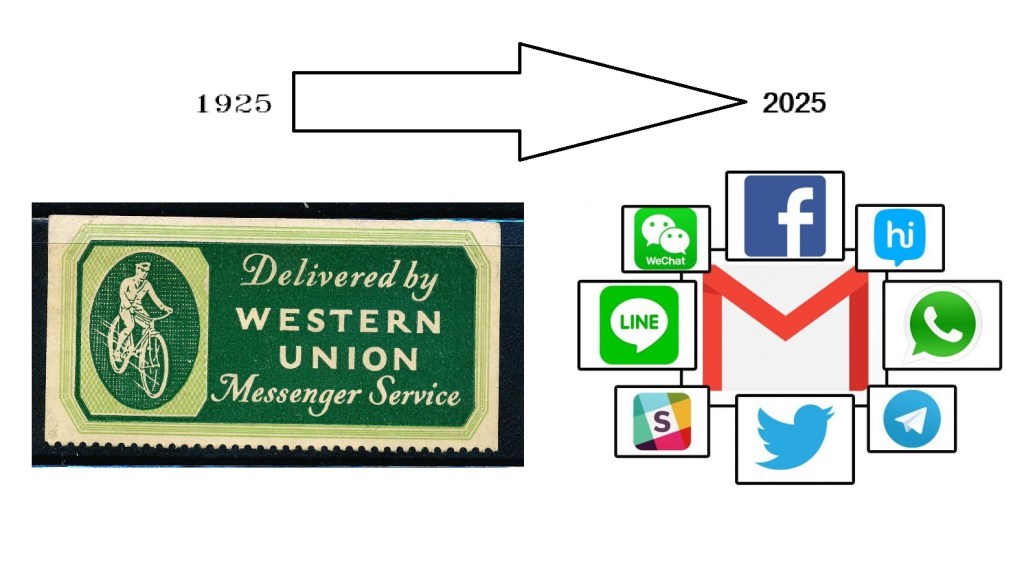
I always considered that job to be important work, almost like a sacred duty. I had no idea what most of the messages contained. But every letter had to be treated with respect: given to the right person at the right location. The public trusted that commitment, whether the letters brought good or bad news.
Long ago it was Isaiah who heard a call from God. God recruited him to be a messenger in difficult times, and Isaiah responded with the words, “Send me!” (Isa. 6:8). He would carry messages to citizens and kings alike, a weighty task indeed!
Being God’s messengers can be less dramatic than all that but no less important. We can say “Here I am,” as we stand ready for God to make us ambassadors, in our time. I find it humbling that an almighty God would allow humans to carry His word. It requires a willingness to treat the task as critical, the message as sacred. God still has messages to send.
Lesson 01 – September 07 – Isaiah’s Call and Ministry
A True Calling
As Christians, we’re drawn toward a calling from God. We desire for our responsibilities at home, church, and even our jobs to hold heavenly weight. But sometimes the places we serve don’t feel fulfilling—so we think, “Perhaps this is not my calling.” Or, a job is dull and monotonous, so It can’t be my calling. Isaiah’s example shows that God has something different to say about the roles we play. Turning our attention to God and surrendering our lives can point us toward a calling, no matter the context.
In the first example, Isaiah sees heaven opened, and all his earthly concerns put into perspective by the awesome vision of God’s throne. Isaiah’s sinfulness is a problem, but God heals him and empowers him to speak. In the second example, King Hezekiah is powerless to save himself. He needs God’s intervention to preserve his life and save the nation. Both men—Isaiah, then Hezekiah—fulfill their vocation or “calling” by first demonstrating a willingness to turn to God.
Repentance, which means turning or changing our thinking, is central to finding our spiritual callings. It is the process of submitting to God’s transformation. We must relinquish control of the narrative (whether finding the perfect job, marriage partner, or context to serve) and submit to God’s leading. Ironically, it is often when we feel unprepared and powerless—when we lay our lives before God and confess our bent and broken ways—that we discover a new sense of mission. God always shapes our hopes and dreams into something more glorious than we would imagine for ourselves.
As you consider the lesson for today, when each of the two characters submitted themselves to God’s plan and purposes, ask God to show you any way that you might surrender to the calling He has for you.
Father, We do not feel fit for Your service. We are flawed and self-righteous. Even when You call us to act as Your messengers, our first thought is about ourselves and what we lack. Help us to grow in courage, so that we can share about Your salvation with free hearts. We pray in Christ’s name. Amen.
 Bethel Cumberland Presbyterian Church